

Great British Summer Savings: What the Chancellor’s May 2026 Statement Means for SMEs
Summary
The Chancellor’s May 2026 statement offers a mix of short-term relief and longer-term reform for SMEs.
The mileage allowance increase and fuel duty freeze should ease cost pressure straight away, especially for firms with mobile teams or transport-heavy operations. The temporary VAT cut may also create a useful summer boost for hospitality and leisure businesses.
But the biggest change may prove to be the Late Payments Bill. If it delivers on its promise, it could improve cash flow, reduce risk, and give smaller firms stronger protection when dealing with large customers.
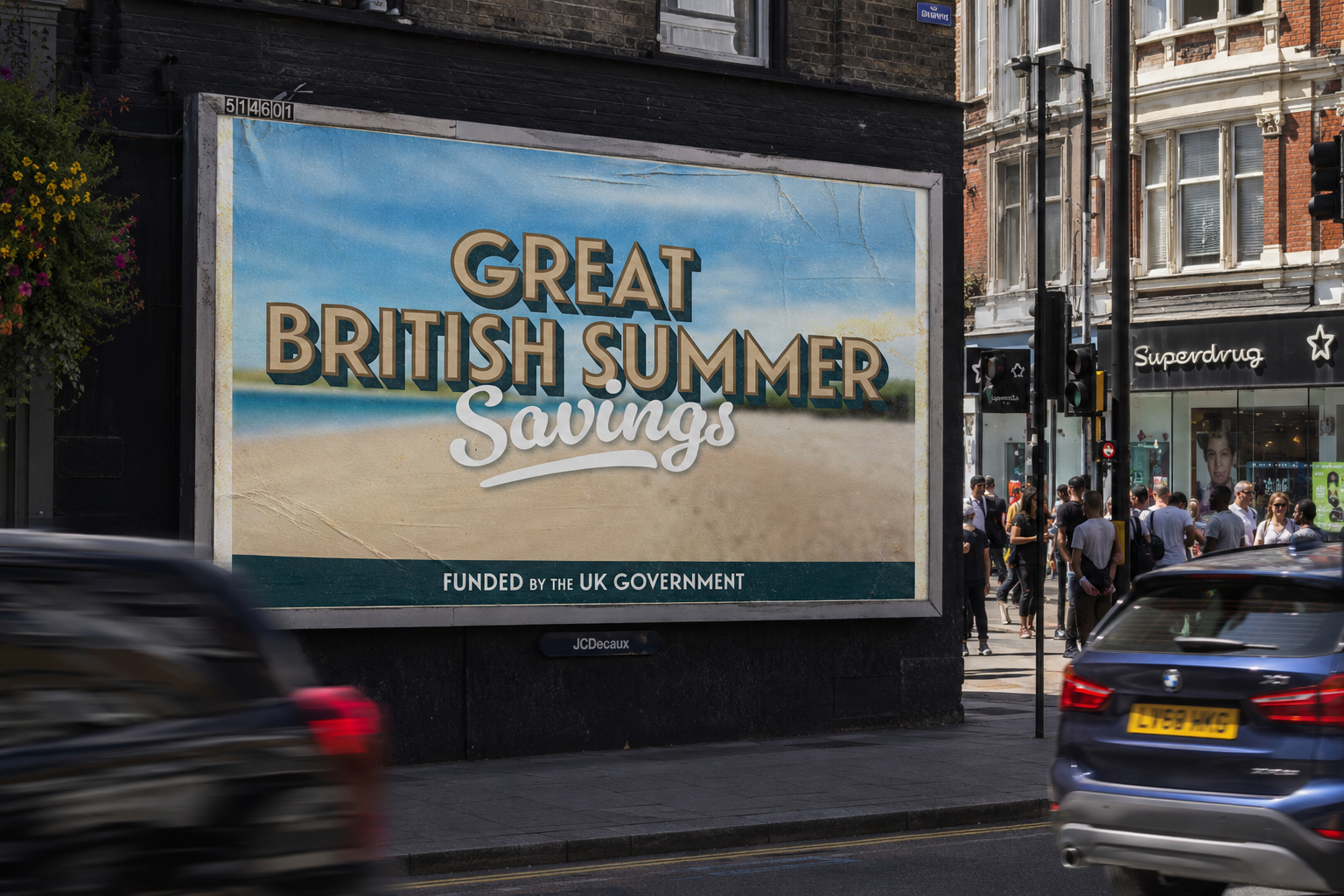
Mileage allowance increases, fuel duty stays frozen, and late payment rules tighten. Here’s what small and medium-sized businesses need to know from the Chancellor’s May 2026 statement, and what to do next.
At a glance: key takeaways for SMEs
| Measure | Key Detail |
|---|---|
| Mileage allowance increase | Up from 45p to 55p per mile (first 10,000 miles), backdated to April 2026 |
| Fuel duty freeze extended | 5p/litre cut maintained until end of 2026; duty stays at 52.95p/litre |
| HGV road tax holiday | 12-month Vehicle Excise Duty exemption, saving up to £912 per vehicle |
| Red diesel duty cut | Reduced by over a third until year-end for hauliers and farmers |
| Late Payments Bill | 60-day payment cap, mandatory interest on late invoices, new enforcement powers |
| Summer VAT cut | 5% VAT on children's meals, attractions & cinema tickets (25 Jun – 1 Sep) |
| Food tariff suspension | Tariffs removed on 100+ food products, saving consumers £150m/year |
What did the Chancellor announce?
On 21 May 2026, Chancellor Rachel Reeves set out a package of measures called the Great British Summer Savings. The statement was positioned as a response to rising global energy costs linked to the conflict in Iran, with a mix of tax relief, targeted business support, and measures aimed at easing pressure on household budgets.
For SMEs, the announcements are not just headline politics. Several have direct effects on costs, cash flow, and day-to-day operations.
In this guide, we’ll cover the measures most likely to affect small and medium-sized businesses, what they mean in practice, and the actions worth taking now.
Mileage allowance increase: from 45p to 55p per mile
One of the most useful changes for SMEs is the increase in approved mileage allowance payments, or AMAPs.
The tax-free rate for cars and vans has gone up from 45p to 55p per mile for the first 10,000 business miles in a tax year. The rate for mileage above 10,000 stays at 25p per mile. The increase is backdated to 6 April 2026, so it applies across the full 2026/27 tax year.
That matters because the 45p rate had not changed since 2011. Over 15 years, fuel and running costs have moved on, but the allowance had stayed the same. For staff who regularly use their own vehicles for work, this is a long-overdue adjustment.
The government estimates that someone driving 6,000 business miles a year will be around £120 better off annually under the new rate.
What this means for your business
If your team claims business mileage, this change is immediate and practical.
Employers can now reimburse up to 55p per mile tax-free for the first 10,000 miles
Self-employed business owners can also claim the higher rate in their business mileage calculations
Payroll and finance teams should update systems and claims processes to reflect the new rate
Backdating matters because the increase applies from 6 April 2026, not from the date of the announcement
Motorcycle and bicycle rates stay the same at 24p and 20p per mile
What to do next
Update mileage policies and internal guidance
Review claims already submitted since 6 April 2026
Check whether any employees need reimbursement adjustments
Make sure payroll software and expense tools reflect the new rate
Fuel duty freeze and wider transport cost relief
The Chancellor also confirmed that the fuel duty freeze will continue, with the temporary 5p per litre cut staying in place until the end of 2026. That keeps fuel duty at 52.95p per litre.
For many SMEs, this will not transform costs overnight. But it does help avoid another increase in transport overheads at a time when margins are already under pressure.
The government says the measure saves the average driver around £120 over the 2025 to 2026 period compared with pre-cut levels.
Other transport support announced
There were also two extra measures aimed at transport-heavy sectors:
A 12-month Vehicle Excise Duty holiday for heavy goods vehicles, worth up to £912 per vehicle
A red diesel duty cut of more than one third until year-end for hauliers and farmers
These are especially relevant for businesses in:
logistics
haulage
farming
construction
field-based operations
If transport is a major cost line in your business, these changes are worth building into your forecasts for the rest of the year.
What to do next
Rework transport budgets for the remainder of 2026
Check whether your fleet qualifies for HGV road tax relief
Review fuel assumptions in pricing and project costings
Factor red diesel savings into planning if your business is eligible
Late payments crackdown: the Small Business Protections Bill
Alongside the Summer Savings statement, the government introduced the Small Business Protections (Late Payments) Bill to Parliament on 19 May 2026.
This could be the most important part of the package for SMEs over the longer term.
Late payment has been a stubborn problem for years. The government says it costs the UK economy around £11 billion annually and contributes to the closure of 38 businesses every day. For small firms, delayed invoices do not just create admin headaches. They affect hiring, investment, payroll, and confidence.
Key provisions in the Bill
The proposed legislation includes:
A mandatory 60-day cap on payment terms when large businesses pay smaller suppliers
Mandatory interest on late payments at 8% above the Bank of England base rate
A ban on withholding retention payments in construction contracts
Stronger powers for the Small Business Commissioner to investigate, resolve disputes, and issue fines
New reporting requirements for large company boards and audit committees to explain poor payment performance
For SMEs that deal with large customers, this could be a meaningful shift. If the Bill progresses as expected, long payment cycles may become harder to justify and easier to challenge.
Why this matters
Cash flow problems often begin with one late payer. A delayed invoice can lead to delayed wages, supplier strain, or missed growth opportunities. Businesses that look profitable on paper can still run into serious trouble if cash arrives too slowly.
That is why this measure stands out. While mileage and fuel changes help with costs, payment reform goes to the heart of financial resilience.
What to do next
Review your current customer payment terms
Identify any contracts that run beyond 60 days
Tighten invoice chasing processes now, before the law changes
Make sure your own payment practices are fair and compliant
Watch for updates as the Bill moves through Parliament
VAT reductions and tariff suspensions
The Summer Savings package also includes measures aimed more directly at consumer spending, but some sectors should still feel a clear benefit.
From 25 June to 1 September 2026, VAT will be reduced to 5% on:
children’s meals
family attraction tickets
children’s cinema tickets
children’s theatre tickets
This is mainly a consumer measure, but it could drive more demand for businesses in hospitality, leisure, and family entertainment during the peak summer period.
There is also a suspension of tariffs on more than 100 food products, with projected savings for consumers of around £150 million a year.
For SMEs in food retail, catering, and hospitality, that may help ease input cost pressure and support margins that have been squeezed by wholesale price rises.
What to do next
Build summer campaigns around the temporary VAT reduction
Review pricing and promotional plans for the school holiday period
Track whether lower food input costs create room to protect margin or sharpen offers
Brief customer-facing teams so they can explain any pricing changes clearly
The bigger picture: “Backing Your Business”
These announcements do not sit in isolation. They form part of the government’s wider SME support agenda under the Backing Your Business plan published earlier this year by the Department for Business and Trade.
That strategy includes commitments to:
reduce the administrative cost of regulation for SMEs by 25%
expand Start Up Loans
permanently lower business rates for retail, hospitality, and leisure premises
direct more than £7.4 billion in government procurement spend to small businesses by 2028
For SMEs, that signals a broader policy direction: lower friction, more access, and a stronger role for smaller firms in public sector supply chains.
Employment changes SMEs should keep on the radar
Alongside these business support measures, the Employment Rights Act 2025 is also starting to take effect.
Changes already in place from April 2026 include:
removal of the three-day waiting period for Statutory Sick Pay
day-one rights to paternity leave
day-one rights to unpaid parental leave
the launch of the Fair Work Agency
More changes are expected from October 2026, including reforms linked to trade union access and collective redundancy obligations.
These are separate from the Chancellor’s Summer Savings measures, but they still matter for SME planning. Support is expected through Acas guidance and Codes of Practice, but employers should not leave preparation until the last minute.
What to do next
Review HR policies and line manager guidance
Keep track of October 2026 implementation dates
Check whether your absence, leave, and consultation processes need updating
Make sure leadership teams understand the compliance impact
What should SMEs do now?
The main priority is to turn the announcements into practical action.
Your checklist
Update mileage reimbursement rates to 55p per mile and communicate the change clearly to staff
Backdate changes to 6 April 2026 where relevant
Review payment terms with clients and suppliers ahead of the Late Payments Bill
Plan for a 60-day cap if your current terms run longer
Adjust transport and fuel budgets for the rest of 2026
Check eligibility for HGV and red diesel reliefs
Prepare summer promotions if you operate in hospitality, leisure, or food retail
Monitor employment law changes due later in 2026
Final thought
If you only do three things now, start here:
Update mileage rates and backdate them correctly
Review customer payment terms and invoice processes
Reforecast transport and summer trading costs for the rest of 2026
The detail will matter as these measures move from announcement to implementation, and SMEs that act early will be in the best position to benefit.